
Twilight Zone
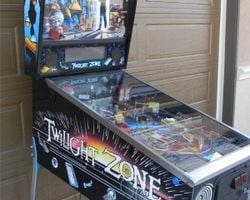
Average Prices: USD $1,600 to $5,700
Produced: April, 1993
Production Run: 15,235 units
Machine Type: Solid State Electronic
MPU: Williams WPC (Fliptronics 2)
Players: 4

Concept by: Pat Lawlor
Design by: Pat Lawlor, Larry DeMar, Ted Estes
Art by: John Youssi
Dots/Animation by: Scott Slomiany, Eugene Geer
Mechanics by: John Krutsch
Music by: Chris Granner
Sound by: Chris Granner, Rich Karstens
Software by: Larry DeMar, Ted Estes
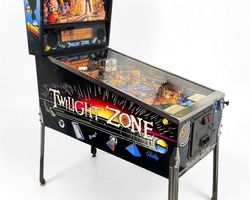
The Twilight Zone pinball machine, released by Bally in May 1993, remains a celebrated title in pinball history. Designed during the peak era of pinball innovation, it captured the eerie and captivating essence of the television series of the same name, delivering a unique and immersive play experience. This wide-body machine, a part of Williams/Midway's "SuperPin" line, packed an array of features and a complex rule set that continues to intrigue and challenge players decades after its release.
History and Background
Bally Manufacturing Co., a giant in the world of pinball, produced Twilight Zone, model number 50020, on April 5, 1993. The machine’s thematic inspiration is drawn directly from the classic anthology television series, "The Twilight Zone." Known for its blend of science fiction, supernatural, and suspense, the show’s enigmatic and often unsettling narratives provided rich source material for a pinball experience. The concept and design of the game are attributed to Pat Lawlor, a prolific pinball designer responsible for other successful titles. Lawlor's vision was brought to life by a team of talented individuals, including artist John Youssi, who created the distinctive artwork, and software developers Larry DeMar and Ted Estes. Chris Granner handled the music and sound design, while Tim Kitzrow provided voice callouts emulating the show's narrator, Rod Serling (whose likeness required separate licensing).
Production of Twilight Zone reached 15,235 units, a substantial number reflecting its popularity and demand. The machine was released on May 4th, 1993, quickly becoming a standout title in arcades and homes. Interestingly, serial numbers were blacklighted onto the playfield during production. This practice was implemented by Williams to track machines and identify distributors selling outside their assigned territories, highlighting the profitability and competitive nature of the pinball market at the time. Originally intended to be the first game featuring Williams' new DCS Sound System, time constraints led to the music being recomposed for the Yamaha YM2151/Harris CVSD audio board, making Twilight Zone the last game to utilize this sound system. Budget considerations nearly led to the removal of the clock toy, a feature that ultimately survived and became a signature element of the game.
Signature Features and Design
Twilight Zone is replete with unique features that set it apart. A real working gumball machine on the playfield dispenses pinballs, adding a tactile and visual novelty. An analog clock, not merely a static prop, actively tells time in attract mode and functions as a timer during gameplay modes, even awarding points based on the current time during certain sequences. Perhaps most notably, the machine features a mini playfield called "The Powerfield" which uses magnets to simulate flippers, creating an unconventional and challenging ball control dynamic.
Another distinctive element is the "Powerball," a white ceramic pinball, lighter than standard steel balls and unaffected by magnets. This unique ball introduces unpredictable speed and movement, particularly in conjunction with the game's magnetic features. The combination of these toys and mechanisms enhances gameplay by providing tangible interactions and unexpected outcomes, directly reflecting the unpredictable nature of the Twilight Zone itself.
Playfield and Mechanics
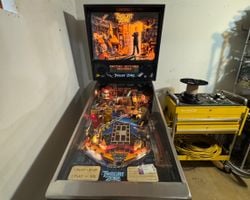
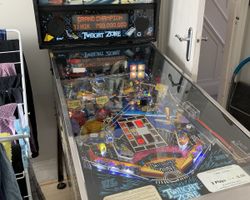
The playfield of Twilight Zone is a meticulously designed landscape packed with ramps, targets, and interactive toys. It features two ramps and three pop bumpers, arranged to create a complex yet navigable play area. The layout is multi-leveled, incorporating the mini "Powerfield" in the upper left portion of the playfield, accessed via a ramp shot. Major shots include the Piano shot, the Camera shot, and various targets associated with different modes. Dual left inlanes and a "Rocket" kicker add further complexity to ball control and flow.
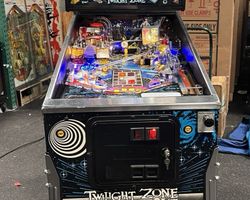
The artwork by John Youssi is integral to the machine’s aesthetic, immersing players in the Twilight Zone atmosphere. The playfield is adorned with surreal imagery, characters, and iconic elements from the television series. Lighting is used strategically to highlight features, indicate mode status, and enhance the overall mood, creating a visually engaging and thematically consistent experience. The playfield layout and artwork work in tandem to create a sense of depth and mystery, encouraging exploration and repeated play.
Gameplay Dynamics
Twilight Zone's gameplay is characterized by its depth and variety. It offers up to six different multiball modes, including "Powerball Mania," "Fast Lock," "Regular Multiball," and the coveted "Lost in the Zone" six-ball wizard mode. The game is structured around completing various "episodes" or modes, each with unique objectives and challenges, mirroring the episodic nature of the television show. Players progress through these modes by hitting specific targets, ramps, and activating features like the gumball machine and clock.
The scoring system is multifaceted, rewarding not only successful shots and mode completions but also interactions with the unique toys. For example, the clock can award points based on the time, and the gumball machine can dispense extra balls or trigger game events. A key gameplay element is the "Powerball," which, due to its lighter weight and immunity to magnets, offers a faster and less predictable ball trajectory, requiring players to adapt their strategies. The "Fast Lock" feature incorporates audio samples and music from previous Pat Lawlor pinball machines, including The Addams Family, Funhouse, and Whirlwind, as a nostalgic easter egg. The depth of the ruleset and the multitude of modes ensure a high level of replayability, as players continually discover new strategies and objectives.
Reception and Legacy
Twilight Zone is widely regarded as one of the most complex and feature-rich pinball machines ever created. Pinball enthusiasts consistently praise its deep ruleset, innovative features, and immersive theme integration. The game’s complexity, however, has also been cited as a potential drawback for casual players, who may find the learning curve steep. Feedback from the pinball community highlights the game's exceptional replay value and the satisfying sense of discovery as players delve deeper into its modes and secrets.
Aesthetically, the machine is lauded for its striking artwork and engaging lighting. The gumball machine, clock, mini playfield, and Powerball are consistently mentioned as standout features that enhance the overall experience. While some criticisms have been voiced regarding the game's flow or sound quality, these are generally overshadowed by the overwhelming appreciation for its design and gameplay depth. Twilight Zone's legacy is cemented as a benchmark in pinball design, influencing subsequent machines with its innovative use of toys, complex rulesets, and thematic integration. It remains a highly sought-after machine among collectors and players, a testament to its enduring appeal and significance in pinball history.
Sponsored Links
 Ebay Listings
Auction Results
| Cost | Location | Date |
|---|---|---|
| USD $6,250 |  Minnesota, United States Minnesota, United States |
01 October, 2026 |
| USD $9,900 | United States |
27 August, 2026 |
| USD $9,000 | United States |
24 August, 2026 |
| USD $7,800 | United States |
07 August, 2026 |
| USD $6,750 | Indiana, United States |
09 July, 2026 |
| USD $8,700 | United States |
14 June, 2026 |
| USD $7,999 | Florida, United States |
26 April, 2026 |
| USD $8,700 | Florida, United States |
23 March, 2026 |
| USD $8,800 | Indiana, United States |
26 February, 2026 |
| USD $7,200 | Colorado, United States |
30 January, 2026 |
Private Policy · Search Website · Contact Us
As an eBay Partner, we may earn a commission from qualifying purchases made through links on this site, at no additional cost to you.
All trademarks and copyrighted materials remain property of their respective owners. All other content copyright 2007 - 2026 Pinpedia.
